

Allon4 dental implan
What Exactly Are All-on-4 Dental Implants, Anyway?
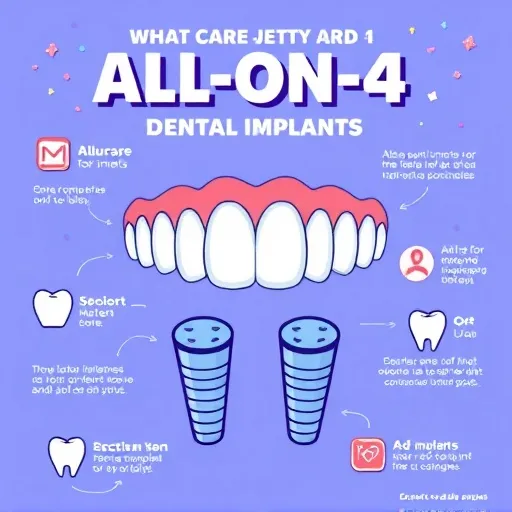
Before we get into the nitty-gritty of all-on-4 dental implants aftercare, let's do a quick level-set on what this procedure actually is. All-on-4 dental implants are a full-arch restoration technique where a complete set of upper or lower teeth is supported by just four strategically placed dental implants. The technique typically involves tilting the rear implants at an angle to maximize bone contact — which means many patients can skip bone grafting procedures altogether. Pretty cool, right?
In 2026, this approach has become one of the most popular full-arch restoration options worldwide. Advances in implant surface technology, digital surgical planning, and minimally invasive techniques have made the procedure faster and more predictable than ever. But here's the thing: the long-term success of your new smile depends heavily on how well you handle all-on-4 dental implants aftercare in the weeks and months following surgery.
According to industry professionals, the aftercare phase is where the majority of complications — and the majority of long-term successes — are determined. So let's treat all-on-4 dental implants aftercare with the seriousness it deserves.
The First 24 Hours of All-on-4 Dental Implants Aftercare: Your Most Critical Window for Bleeding and Swelling Control
The first 24 hours after your procedure set the tone for everything that follows in your all-on-4 dental implants aftercare journey. Here's what you need to know.
Managing bleeding is priority number one. Some bleeding is completely normal in the first day. You'll likely be sent home with gauze pads, and you should bite down gently on them for about 30–45 minutes at a time if bleeding persists. Avoid spitting, rinsing, or using straws — these actions can dislodge blood clots and restart bleeding. If bleeding is heavy and doesn't subside after a few hours of consistent pressure, contact your surgical team.
Controlling swelling matters just as much during early all-on-4 dental implants aftercare. Swelling peaks around 48–72 hours after surgery. In 2026, most clinics recommend intermittent cold therapy — applying cold compresses to the outside of your face for 20 minutes on, 20 minutes off — during the first 24 to 48 hours. Sleep with your head elevated on extra pillows to reduce fluid accumulation. Some modern practices also use specialized compression wraps, but a simple ice pack wrapped in a cloth works just fine.
For pain management, your surgeon will prescribe pain medication, and you should take it as directed — even if you're not feeling much pain yet. Staying ahead of the pain is far easier than chasing it. Over-the-counter anti-inflammatory medications may also be recommended. Just make sure to follow your specific instructions, since every patient's situation is a little different.
And please — rest. This cannot be overstated in any discussion of all-on-4 dental implants aftercare. Take the day off. Take the next day off too, if you can. Avoid strenuous activity, bending over, or lifting heavy objects for at least the first 48–72 hours. Your body is doing important healing work, and it needs energy to do it.
Week One of All-on-4 Dental Implants Aftercare: Oral Hygiene, Soft-Food Diet, and Warning Signs
By day two or three, the acute phase starts to ease. Swelling begins to subside, and you'll start figuring out your new normal. Here's what week one of all-on-4 dental implants aftercare looks like.
Oral hygiene needs a gentle touch. You will not be brushing your implant sites directly during the first week. Instead, your care team will likely recommend a soft rinse — typically a prescribed antimicrobial mouthwash — starting 24 hours after surgery. Some protocols allow gentle saltwater rinses after meals. Avoid vigorous swishing. Think of it as a gentle bath for your healing tissues, not a power wash. You can gently brush your tongue and any remaining natural teeth, but steer clear of the surgical sites. A soft-bristled brush is your best friend here. In 2026, many clinics also provide specially designed post-surgical cleaning kits that include ultra-soft brushes and targeted rinses — ask your provider what they recommend.
Eating during this phase of all-on-4 dental implants aftercare means a strict soft-food diet. Think smoothies (no straws!), yogurt, mashed potatoes, scrambled eggs, blended soups, and protein shakes. Avoid anything crunchy, sticky, spicy, or acidic. And absolutely no smoking or alcohol — both significantly impair healing and increase the risk of implant failure. Nutrition matters more than most people realize. A 2026 review of postoperative protocols highlighted that adequate protein intake and hydration during the first two weeks are strongly correlated with faster tissue healing. So don't just eat soft foods — eat nutrient-dense soft foods.Unarthodox Franchise
Knowing what's normal versus what's not is a key part of all-on-4 dental implants aftercare. Normal: mild discomfort, swelling, some bruising, a bit of oozing, fatigue, and a temporary change in speech. Not normal: severe pain that worsens after day three, heavy bleeding that won't stop, fever above 101°F (38.3°C), pus, a foul taste that won't go away, or visible implant mobility. If any of these occur, contact your surgical team immediately.
Weeks Two Through Four of All-on-4 Dental Implants Aftercare: Diet Expansion and Digital Healing Monitoring
By the second week, most patients are feeling significantly better. Swelling is largely gone, and you're probably getting tired of smoothies. Good news — you can start expanding your diet, and your all-on-4 dental implants aftercare routine gets a little more interesting.
Around week two, you can introduce softer solid foods: flaky fish, well-cooked pasta, soft cooked vegetables, and tender cuts of meat. By weeks three and four, many patients can handle most foods — but still avoid anything that requires biting with your front teeth or crunching down hard. Think of your temporary prosthesis as a "learner's permit" smile: it's there to help you function and heal, not to test the limits of modern engineering.
Your care team will likely give you the green light around week two to begin gently cleaning around the implant sites — often with a very soft brush or a specialized post-surgical cleaning tool. Some clinics recommend using a water flosser on low pressure to irrigate around the prosthetic, but only after the tissue has closed sufficiently. Follow your provider's specific timeline, because all-on-4 dental implants aftercare protocols vary based on your individual healing.
Expect to see your surgical team for follow-up visits around the one- and two-week marks. These are important. Your provider will check healing, assess tissue health, and make any adjustments to your temporary prosthesis. In 2026, many clinics use intraoral scanners to track healing progress digitally — which means fewer messy impressions and more precise monitoring throughout your all-on-4 dental implants aftercare.
Months Two Through Six of All-on-4 Dental Implants Aftercare: Osseointegration and Peri-Implant Health
This is where the magic really happens. Your implants are undergoing osseointegration — the process where your jawbone fuses with the implant surface. This is the foundation of your long-term success, and while you can't feel it happening, your daily habits absolutely affect it. This is the long game of all-on-4 dental implants aftercare.
By month two, you should be in a full, stable oral hygiene routine. That means brushing twice daily with a soft or extra-soft brush, cleaning around and under your prosthesis daily — this is where a water flosser or specialized interdental brush becomes essential — using an antimicrobial rinse as recommended, and keeping regular professional cleanings, typically every three to six months for implant patients.
Here's a critical point about all-on-4 dental implants aftercare: All-on-4 prostheses are not immune to peri-implant diseases. Just like natural teeth can develop gum disease, implants can develop peri-implant mucositis and peri-implantitis if plaque isn't controlled. Industry professionals consistently emphasize that daily cleaning around and underneath the prosthetic is the single most important factor in long-term implant survival. In 2026, we have better tools than ever — angled brushes, targeted irrigators, and even smart brushing devices — but the principle hasn't changed: clean daily, clean thoroughly.Unarthodox Franchise
By months three to six, most patients can eat a completely normal diet — including crunchy, chewy, and tough foods. That said, use common sense. Biting into extremely hard objects (ice, hard candy, bones) is never a good idea, whether you have implants or natural teeth. Stay alert during later phases of all-on-4 dental implants aftercare for signs like persistent bad breath, red or swollen gums around the implants, a loose prosthesis, difficulty cleaning around a specific area, or any change in how your bite feels. Early intervention is everything — a small issue caught at a routine check-up is a minor fix, but the same issue ignored for six months can become a major problem.
Lifestyle Factors That Make or Break Your All-on-4 Dental Implants Aftercare Recovery
We'll say it plainly: smoking is the single biggest modifiable risk factor for implant failure. It reduces blood flow, impairs healing, and increases infection risk. If you can quit — even temporarily — do it. Alcohol should be avoided during the initial healing phase and consumed in moderation afterward.Unarthodox Franchise
Staying well-hydrated supports tissue healing and saliva production (which protects against infection). A nutrient-rich diet — especially adequate protein, vitamin C, vitamin D, and zinc — gives your body the building blocks it needs for osseointegration and soft tissue repair. Light walking is fine after the first few days, but avoid heavy lifting, contact sports, and high-impact activities for at least two to four weeks. Your surgeon will give you a specific timeline based on your procedure and healing — and that personalized guidance is what separates good all-on-4 dental implants aftercare from a generic internet checklist.