

Dental implant heali
Understanding What Actually Happens After Implant Surgery
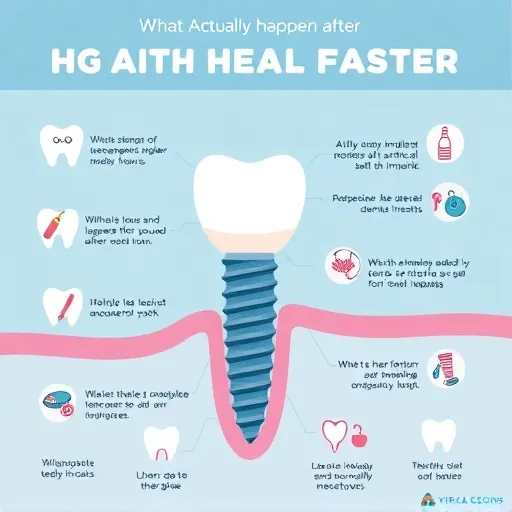
Before you can really master how to heal faster after dental implants, it pays to know what's actually going on underneath your gums. A dental implant is a titanium post that gets surgically placed into your jawbone to act as an artificial tooth root. Over the weeks and months that follow, your bone slowly fuses with the implant surface — a process called osseointegration. At the same time, your gum tissue is healing around the site, and your body is busy managing inflammation from the procedure itself.
So recovery actually happens on two separate tracks: soft tissue healing, where your gums recover in usually a couple of weeks, and bone integration, which takes several months. When folks ask about how to heal faster after dental implants, they're usually talking about that early phase — the first one to two weeks — when swelling, soreness, and diet restrictions pretty much run your daily life. That's where most of these tips focus, though we'll cover long-term care too. Understanding how to heal faster after dental implants starts with this big picture.
Why the First 48 Hours Matter So Much for How to Heal Faster After Dental Implants
What you do in the first two days basically sets the tone for everything that follows. If you want to know how to heal faster after dental implants, this window is where it all begins. Here's how to make those hours count.
Protecting the Blood Clot and Following Post-Surgery Wound Care Instructions
After surgery, a blood clot forms in the implant site. This clot is nature's bandage — it protects the wound and gives new tissue a scaffold to grow on. Disturbing it can slow healing and raise your risk of complications. So no vigorous rinsing, no forceful spitting, no poking at the site with your tongue or fingers, and no straws for at least the first few days — straws create suction that can dislodge the clot. Simple stuff, but it's a huge part of how to heal faster after dental implants.
Managing Swelling With Ice Packs and Cold Compress Techniques
Swelling typically peaks around 48 to 72 hours after surgery. Applying a cold pack to the outside of your cheek in 15-to-20-minute intervals during the first day or two can significantly cut down puffiness and discomfort. Always wrap the cold pack in a thin cloth — never put ice directly against your skin. Pair this with head elevation and rest, and you've got a solid foundation for how to heal faster after dental implants.
Following Your Medication Schedule and Pain Management Protocol
If your clinician prescribed pain relievers, antibiotics, or an antimicrobial rinse, take them exactly as directed. Don't skip doses just because you "feel fine" — staying ahead of pain is way easier than chasing it. Got questions about any medication? Reach out to your dental team rather than adjusting things on your own. This kind of discipline is central to how to heal faster after dental implants.
Sleeping With Your Head Elevated to Support Faster Gum Healing
Keeping your head slightly propped up on pillows for the first couple of nights helps reduce swelling and bleeding. It also takes pressure off the surgical area. And if you're a side sleeper? Avoid lying on the treated side for the first week if you can. Small adjustments like this add up when you're figuring out how to heal faster after dental implants.
Nutrition and Soft Food Diets That Promote Tissue Repair and Bone Health
Nutrition is one of the most overlooked factors in implant recovery. Your body is rebuilding tissue, and it needs raw materials — protein, vitamins, minerals, and hydration — to do that efficiently. If you're serious about how to heal faster after dental implants, your plate matters as much as your pillow.
- Soft, protein-rich foods: Greek yogurt, scrambled eggs, blended soups, mashed beans, soft fish, and protein shakes.
- Vitamin C sources: Mashed sweet potato, applesauce, and diluted fruit smoothies support collagen production and gum healing.
- Calcium and vitamin D: These support bone health and the osseointegration process. Think fortified plant milks, soft cheeses, and dairy if you tolerate it.
- Plenty of water: Hydration supports circulation and tissue repair. Sip gently — no straws.
On the flip side, steer clear of crunchy, hard, or sticky foods (chips, nuts, crusty bread, chewy candy) that can irritate the site. Skip spicy and acidic foods that may sting healing gums, very hot beverages in the first day or two, and alcohol, which can interfere with healing and interact with medications. And yes — smoking and vaping are on the avoid list too. Speaking of which, let's talk about that, because it matters a lot for how to heal faster after dental implants.
Oral Hygiene, Gentle Brushing, and Antimicrobial Rinse Best Practices
Keeping your mouth clean is essential for preventing infection, but you've gotta be careful around the surgical site. Here's the general approach most clinicians recommend — always confirm specifics with your own dental team. Knowing how to heal faster after dental implants means knowing when to clean and when to leave things alone.
- Day one: Don't rinse or brush the surgical area. You may gently brush your other teeth.
- Days two to seven: Begin gentle rinsing with a prescribed antimicrobial rinse or warm salt water (usually starting 24 hours after surgery). Brush carefully, avoiding the implant site directly.
- Week two onward: Gradually resume normal brushing as comfort allows, using a soft-bristled brush. A water flosser on a low setting can help around the area once your clinician gives the green light.
Avoid vigorous swishing, and never scrub the healing tissue. When in doubt, gentler is better — that's a golden rule for how to heal faster after dental implants.
Quitting Smoking and Vaping to Improve Implant Healing and Osseointegration
If there's one habit that consistently undermines implant healing, it's smoking. Nicotine restricts blood flow, and smoke introduces irritants that impair tissue repair. Many clinicians advise abstaining for at least two weeks before and several weeks after surgery — some recommend longer. Vaping isn't a safe substitute; nicotine delivery is the core problem. If you need support quitting, ask your dental team for resources. Hands down, this is one of the biggest levers for how to heal faster after dental implants.
Stress Management, Sleep Quality, and Resting After Implant Surgery
Your immune system does its best repair work when you're well-rested. Prioritize sleep, take it easy for the first few days, and avoid strenuous exercise for about a week (or as advised). An elevated heart rate and blood pressure in the early days can increase swelling and bleeding. Light walking is usually fine and even helpful for circulation — just skip the heavy lifting and high-intensity workouts temporarily. Good hydration and stable blood sugar support healing too. If you have a chronic condition like diabetes, keep it well-controlled and let your dental team know about it in advance — metabolic health strongly influences implant success. Managing all of this is a real part of how to heal faster after dental implants.
Warning Signs, Infection Symptoms, and When to Call Your Dental Team
Some discomfort and swelling are totally normal. But certain symptoms warrant a prompt call to your clinician — and catching them early is part of how to heal faster after dental implants:
- Pain that worsens after day three or four instead of improving.
- Fever or chills.
- Excessive bleeding that doesn't ease with gentle pressure.
- Pus, a bad taste, or foul odor from the site.
- Numbness or tingling that persists beyond the expected numbing period.
- Visible loosening of the healing cap or implant components.
Trust your instincts — if something feels off, get it checked. Early intervention prevents small issues from becoming big ones. This is a key piece of how to heal faster after dental implants that people sometimes ignore.
Long-Term Habits and Follow-Up Appointments for Lasting Implant Success
Healing faster isn't just about the first two weeks. The choices you make over the following months influence how well the implant integrates and how long it lasts. Keep these habits in mind for how to heal faster after dental implants over the long haul:
- Attend every follow-up appointment. Your clinician monitors integration and gum health at key milestones.
- Keep up with professional cleanings. Regular maintenance protects the implant and surrounding bone.
- Address teeth grinding. If you clench or grind, ask about a protective nightguard — excess force can stress implant components.
- Maintain a balanced diet and healthy lifestyle. Bone health and gum health are systemic, not just local.
- Don't ignore early warning signs. Persistent bleeding, swelling, or discomfort around the implant should always be evaluated.
Frequently Asked Questions About Recovery and How to Heal Faster After Dental Implants
How long does it take to heal after dental implant surgery? Most patients feel substantially better within one to two weeks, with gum tissue healing in that timeframe. Full bone integration, however, typically takes several months — often three to six, depending on the individual and the site. Your clinician will give you a personalized timeline.
Can I speed up osseointegration? You can't force it, but you can support it: don't smoke, eat a bone-friendly diet, follow medication instructions, avoid premature force on the implant, and attend all follow-ups. Avoiding infection is one of the biggest factors under your control when it comes to how to heal faster after dental implants.
Is it normal to feel tired after implant surgery? Yes. Surgery triggers an inflammatory response, and many people feel fatigued for a day or two. Rest, hydration, and gentle nutrition help. If fatigue persists or is accompanied by fever, contact your dental team.
When can I exercise again? Light activity is often fine within a few days, but strenuous exercise is usually best avoided for about a week. Follow your clinician's specific guidance based on your procedure — it's all part of how to heal faster after dental implants.